Dalinya Font Review: A Premium Script for Elegant Design
In the vast landscape of digital typography, finding a typeface that balances authentic hand-lettered charm with professional versatility is a rare discovery. Dalinya emerges as a standout choice for designers seeking to infuse their projects with warmth and sophistication. This article explores why this typeface has become a go-to resource for creatives, offering insights into its design nuances, practical applications, and licensing details. Whether you are searching for a Dalinya font download for a personal project or evaluating it for a high-stakes client branding package, understanding its capabilities is essential. Many designers initially look for a Dalinya free download to test its waters, but the true value lies in its robust feature set that rivals top-tier premium offerings.
Design and Style Analysis of Dalinya
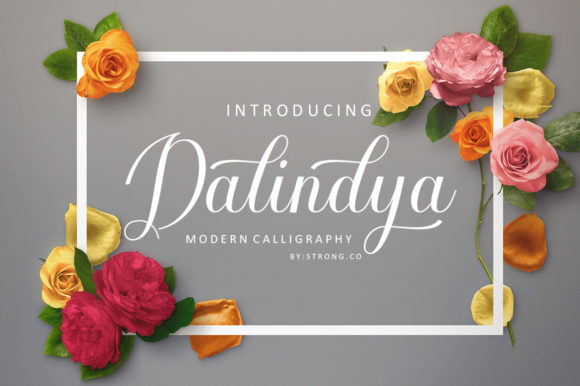
Dalinya pays homage to classic calligraphy with its gorgeous letters and swashes, creating an immediate visual impact. It belongs to the Script Handwritten category, yet it avoids the common pitfalls of illegibility that plague many fonts in this genre. The letterforms are crafted with a steady hand, mimicking the natural flow of ink on paper.
Letterforms and Swashes
The defining characteristic of Dalinya is its extensive collection of alternate glyphs and decorative swashes. These elements allow for a high degree of customization, enabling designers to create unique logotypes without needing advanced illustration skills. The connections between letters are smooth and organic, ensuring that words flow naturally rather than appearing as disjointed characters.
Weight and Spacing
As a premium Script Handwritten font, Dalinya maintains a consistent stroke weight that ensures readability across various sizes. The spacing is optimized to prevent clutter, a common issue in dense script fonts. This balance makes it suitable not just for large headlines but also for smaller subheaders where clarity is paramount.
Best Uses for Dalinya in Modern Design
Because of its elegant yet approachable aesthetic, Dalinya is incredibly versatile. It shines in contexts where a human touch is required to build an emotional connection with the audience.
Dalinya for Logo Design
One of the strongest applications for this typeface is identity creation. Dalinya for logo design works exceptionally well for boutique brands, beauty salons, and artisanal products. The fluidity of the script conveys luxury and care, making it an ideal choice for businesses that want to appear high-end yet accessible.
Dalinya for Wedding Invitations
The romantic undertones of the font make it a perfect fit for the wedding industry. When used for Dalinya for wedding invitations, it adds a layer of formal elegance that standard sans-serifs cannot achieve. Pairing it with high-quality paper textures and minimal layout designs enhances its sophisticated appeal.
Dalinya for Packaging and Branding
In the retail sector, first impressions are critical. Dalinya for branding extends beyond logos to include packaging labels, hang tags, and product descriptions. Its legibility at medium sizes ensures that product names stand out on shelves, while the handwritten style suggests craftsmanship and authenticity.
Font Pairing and Combinations
A common question among designers is what fonts pair well with Dalinya? Because script fonts are visually dominant, they require supportive partners that do not compete for attention. A successful Dalinya font pairing typically involves clean, neutral typefaces.
For a modern contrast, pair Dalinya with a geometric sans-serif like Montserrat or Lato. This combination balances the ornate curves of the script with structured simplicity, ideal for social media graphics and web headers. Alternatively, for a more traditional editorial look, combine it with a classic serif like Baskerville or Garamond. This duo works beautifully for magazine layouts and long-form content where the script serves as a decorative drop cap or section header. Understanding the best font combinations with Dalinya can elevate a good design to a great one by establishing a clear visual hierarchy.
Licensing and Commercial Use Guidelines
Before integrating any typeface into a client project, understanding the legal framework is crucial. Many users ask, is Dalinya free for commercial use? The answer depends on the specific license purchased or downloaded. Typically, fonts available for a Dalinya free download are restricted to personal use only, such as private invitations or non-monetized social media posts.
For professional work, you must secure a commercial license. Dalinya commercial use licenses generally cover digital ads, printed merchandise, and corporate branding. It is vital to read the Dalinya font license agreement carefully, as some licenses may have restrictions on the number of impressions or require additional fees for large-scale distribution. Investing in the proper license ensures that your work remains legally sound and supports the font creator’s continued development of high-quality typefaces.
How to Download and Use Dalinya
Acquiring the font is a straightforward process. You can find the Dalinya font download on reputable platforms such as Creative Fabrica, DaFont, or the designer’s official website. When you download Dalinya font free for testing, ensure you are using the latest version to access all glyph alternates.
Once installed, using the font in major design software is intuitive. For those wondering how to use Dalinya in Canva, note that if you have Canva Pro, you can upload custom fonts directly. In Adobe Photoshop or Illustrator, you can access the OpenType features panel to toggle between standard characters and decorative swashes. This functionality is key to unlocking the full potential of the typeface. Similarly, in Microsoft Word, you can use the Insert Symbol feature or enable ligatures to achieve seamless connections between letters.
Designer Notes and Tips
To get the most out of this typeface, consider how it compares to others in the market. In a Dalinya vs similar font comparison, Dalinya often wins due to its superior kerning pairs and extensive alternate set. However, like all scripts, it requires careful handling. Always test your design in black and white first to ensure the contrast is sufficient. Check readability at small sizes, as intricate swashes can blur when scaled down. By treating Dalinya as a professional Fonts font rather than just a decorative element, you can create designs that are both beautiful and functional.